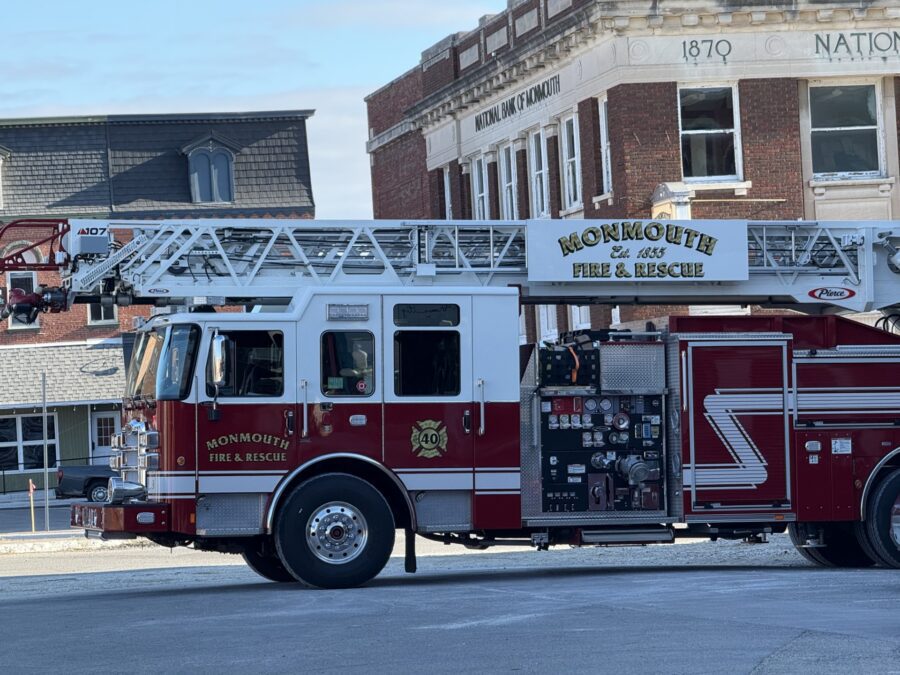
When winter weather brings extreme cold temperatures across the state, homeowners rely heavily on heating systems and sometimes alternate heat sources, which can increase the risk of home fires and carbon monoxide poisoning. Monmouth Fire Chief Casey Rexroat urges caution when utilizing space heaters:
“Space heaters, they have been made to be a lot safer than they use to be however, it is how people are setting them up is usually the problem. You have to keep them about three feet away or more from any curtains or beds or any kind of furniture because the front of them still can be very, very hot. If you have them too close to something, you do have the risk of it catching on fire.”
“Also, on the flip side, you can’t plug to many of them into one outlet. Never plug more than one space heater into one circuit, so don’t use two of them in the same room. Then, when you use an extension cord with the space heaters, that can also be very bad. Plug those space heaters into an outlet by themselves and keep them away from furniture.”
In the event of power outages, Chief Rexroat offers these safety tip reminders when using generators and the importance of installing carbon monoxide detectors:
“A lot of people want to take that generator and put it inside an attached garage or inside the basement. Even though they are very clean burning, they do put off a lot of carbon monoxide. Keep those generators outside and run a cord into the house. They need to be away from the house, far enough where they are not blowing exhaust in through a window or door.”
“Along with the carbon monoxide, we want to make sure that everybody has a carbon monoxide detector in their home, if you are burning any kind of fossil fuels to heat the home or a hot water heater or if you do have an attached garage. Carbon monoxide is that silent killer. It is a poisonous gas that you can’t smell, you can’t see it. It is not like natural gas. If there is enough in your home, it can cause a serious injury. Please make sure you have carbon monoxide detectors in your home and are testing them.”
Additionally, fire alarms are your first line of defense. Chief Rexroat recommends testing them monthly to ensure they are working properly.
courtesy of the State of Illinois
As winter weather brings extreme cold across Illinois, fire safety officials are urging residents to use extra caution when heating their homes. Frigid temperatures often lead people to rely more heavily on heating systems and alternative heat sources, which can increase the risk of home fires and carbon monoxide (CO) poisoning if proper safety precautions are not followed.
In 2024, Illinois fire departments responded to 9,860 carbon monoxide (CO) related calls across the state. According to the National Carbon Monoxide Awareness Association, emergency rooms across the U.S. see more than 100,000 visits each year due to CO exposure. Tragically, over 14,000 people are hospitalized annually, and approximately 1,200 people die each year from carbon monoxide poisoning, a number that continues to rise. Each year, hundreds of people across Illinois are treated in emergency rooms due to carbon monoxide (CO) exposure, and over the past decade, an average of 20 people per year have died from accidental CO poisoning.
“During winter storms and blasts of frigid arctic air, we see a rise in home fires and carbon monoxide incidents due to the increased use of heating equipment, fireplaces, generators, and alternative heat sources,” said Illinois State Fire Marshal Michele Pankow. “Many of these emergencies are preventable with a few simple safety steps. Working smoke alarms and CO alarms save lives. As temperatures drop, taking a few minutes to review winter safety practices can make all the difference.”
Fire Safety During Winter Weather
Home heating equipment is a leading cause of residential fires during the winter months. OSFM recommends the following fire safety tips:
- Keep all heat sources at least three feet away from anything that can burn, including furniture, curtains, and bedding.
- Never use ovens, stoves, grills, or portable fuel-burning devices to heat your home.
- Turn off space heaters before leaving the room or going to bed.
- Have chimneys, fireplaces, and heating systems inspected and cleaned annually by a qualified professional.
- Ensure smoke alarms are installed on every level of the home and inside sleeping areas and test them monthly.
Carbon Monoxide Safety
Carbon monoxide is an odorless, colorless gas that can be deadly. CO poisoning risk increases during winter when homes are sealed tightly, and fuel-burning appliances are used more frequently.
OSFM urges residents to:
- Install carbon monoxide alarms on every level of the home and near sleeping areas.
- Never operate generators, grills, or propane heaters inside homes, garages, or near windows and doors.
- Only use generators outdoors, at least 20 feet away from buildings.
- Never run vehicles inside garages, even with the garage door open.
- Have fuel-burning appliances professionally inspected and maintained.
Be Prepared
Residents are also encouraged to have an emergency plan in place during winter storms and extreme cold, including identifying warming centers in their community and checking on elderly neighbors or those with limited mobility.
For more winter weather fire safety and carbon monoxide safety information, visit sfm.illinois.gov or follow OSFM on Facebook and Twitter.