Illinois lawmakers are continuing to take a closer look at renewable energy as demand continues to grow across the state.
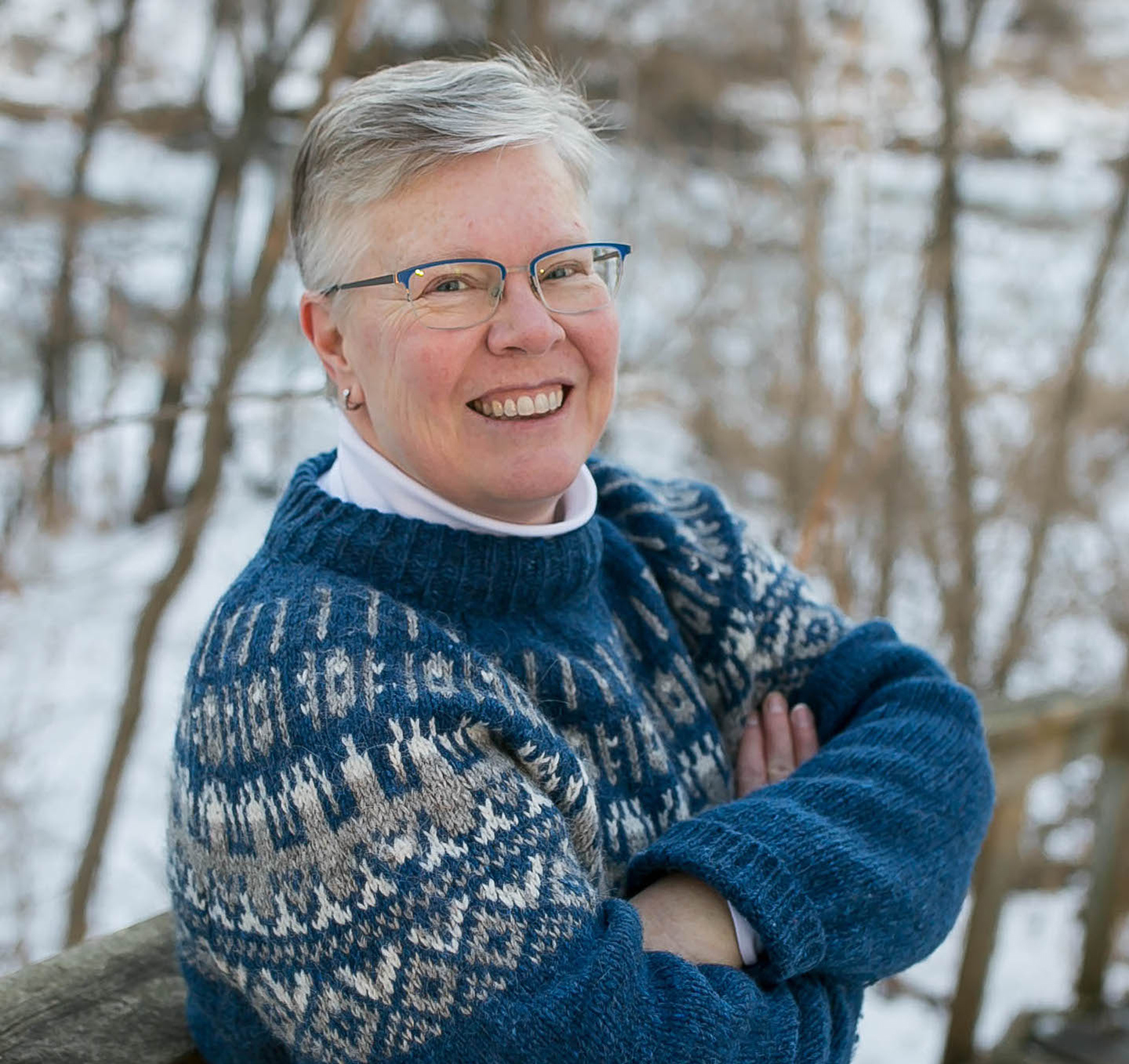
State Senator Mike Halpin says energy production is struggling to keep up with that demand, which is becoming a growing concern.
“When it comes to other renewable energy, we’re certainly incentivizing that and trying to make that easier by making sure that there’s a statewide set of regulations for where and when they can be placed. The biggest problem is that the production of energy is being far outpaced by the demand for energy. Every one of us holding one of these little devices, the iPads and the other tablets that our kids are using, AI data centers, all of that is just spiking the demand for that energy. Which results in us as homeowners and residential users competing for that energy with big tech, and it’s raising our prices.”
Halpin says the issue is expected to remain a major topic of discussion as lawmakers look for ways to boost energy production moving forward.
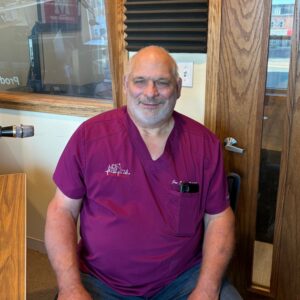
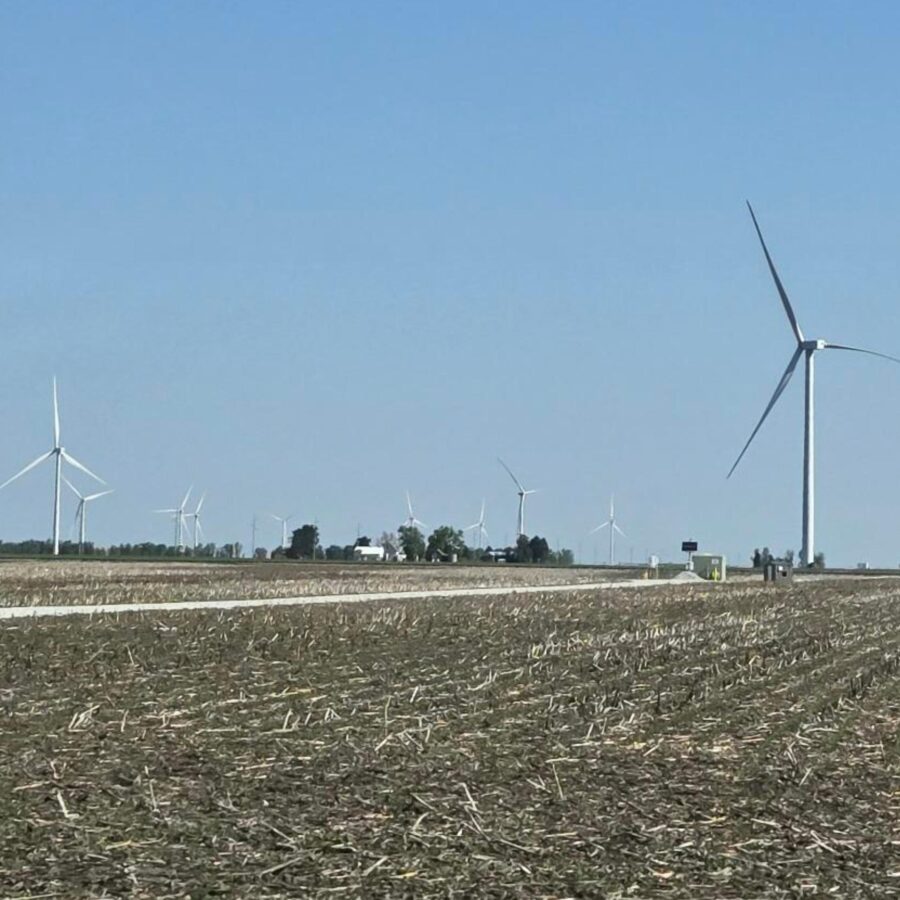
As these projects expand, so has the debate about how they could impact farmland locally. Jake Armstrong, President of the Warren-Henderson Farm Bureau, says land use decisions ultimately come down to the property owner, but location still matters.
“I tend to view it as it’s your land. If you want to put solar panels on it, put solar panels on it. Put a wind farm, great. If you want to farm crops, have at it. You want to build a house, a shopping mall, grain elevator, I don’t care. It’s your land, it’s your right to do whatever you would like with it. Locally, Warren County tends to be a little anti that. They like to preserve that farmland in farmland. I generally agree that we should be putting solar panels and wind turbines where they’re most effective. I think green technology is a solution we can use going forward, if we implement those properly.”
The conversation around renewable energy and farmland use is expected to continue at both the state and local levels.