
With farmers potentially facing negative budgets in 2026, Kevin Brooks, a Farm Business Management Educator with the University of Illinois Extension, says increasing yields can help offset the losses.
“There are farms out there that are Class B farms that are blowing away Class A farms, and a lot of that gets down to compaction and drainage.”
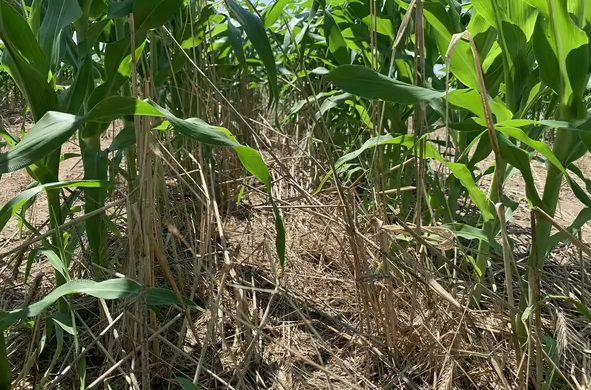
Compaction, which can decrease yields on a field, can be answered by applying cover crops to the field.
“Want to reduce expenses,” asks Brooks, “cutting tillage cuts fuel use and machinery use and use of cover crops helps to allow the nutrients to be more efficient.”
While the adoption of cover crops is slow, research has shown promising results.
“It gets back to that compaction issue. That’s one way to increase yields. Cover crops can be an answer to that. It’s not for everybody. It takes more time. It takes more management. That’s another way that younger farmers can substitute labor for capital.”
Brooks says tools like cover crops can play a role, but ultimately farmers will need to weigh what works best for their individual operations.