
Fall and winter bring festive gatherings. But that also means activities you don’t usually do, like hanging lights, cooking around open flames and even indulging in risky substances.
Fred Burke, MD, an emergency medicine physician who sees patients at OSF HealthCare, outlines some of the common emergency department (ED) visits he sees this time of year.
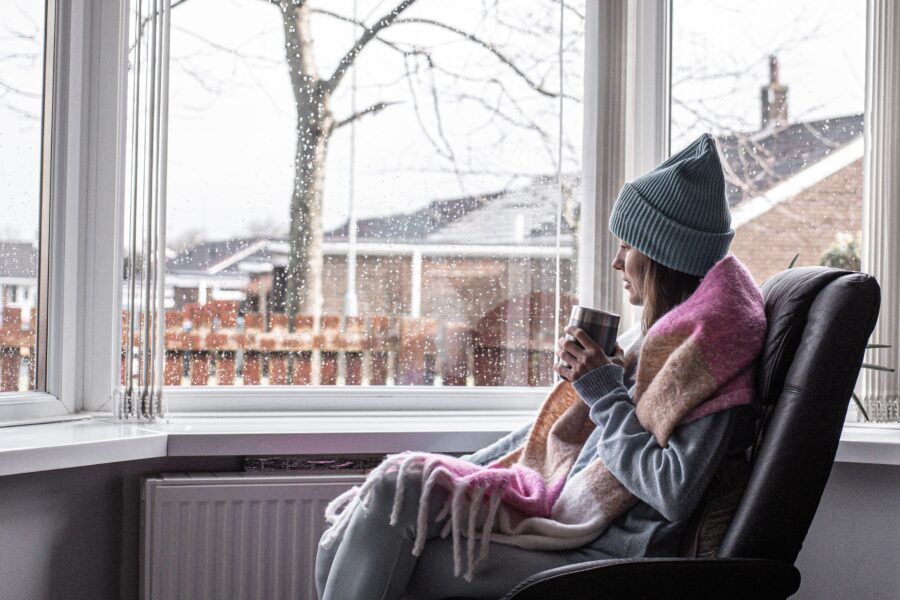
- Cold exposure: Cold weather injuries can strike fast if you’re outside (shoveling snow, for example) and not bundled up. They can even happen inside if, for example, an infant is in a cold room and not properly dressed.
o Frostnip: This is a mild form of frostbite where exposure to cold temperatures turns the skin pink or red. Your skin may feel burning or numb.
o Frostbite: This is a more severe case of cold exposure. Your skin may be numb and appear yellow, white, gray or black. It may feel waxy and have blisters.
o Hypothermia: This is when the body’s temperature drops below 95 degrees. The person could be confused, lethargic and have slurred speech and memory loss. Hypothermia can be fatal if not treated, so the person should seek medical help right away.
“If it’s frostbite, we’d warm the extremity under warm water. That’s typically the fingers. And that can cause pain, so we’ll give pain medicine for that,” Dr. Burke says. “For hypothermia, we might put [electronic] warming blankets on them and give them [IV] fluids. Those are patients who typically need to be admitted to the intensive care unit for closer monitoring.”
Older adults, people who work or do activities outside (like hunters or hikers), unhoused people and people with medical conditions (like peripheral artery disease, diabetes and Raynaud’s disease) are at a higher risk of cold weather injuries. Getting stranded in a vehicle without proper protection is also common in the winter. Drinking alcohol or using drugs may lead to you losing consciousness outside. And smoking impacts blood circulation, putting you at a higher risk.
Some ways to beat the cold:
o Dress in layers. You can always take a layer off, but you can’t put one on if you leave it at home. Make a hat, scarf, gloves and winter boots part of your wardrobe. Make sure the clothes aren’t too tight to allow for blood circulation. And look for water-resistant garments when buying clothes.
o Have winter weather supplies, like blankets, flares, a first aid kit and food, in your vehicle.
o Be well fed and hydrated. Body fat, though unhealthy in excess, helps us stay warm. For drinks, avoid alcohol and caffeinated beverages.
o During outdoor activities, take breaks and go with a buddy. Keep a close eye on kids who may not realize how cold they are. Come inside to change from wet to dry clothes. Let others know your plans and when you’ll be back. If you’re not back in time, that’s a sign you may have fallen victim to the cold, and help should be sent.
- Mental health: Holidays are fun, but they can be tough if you’re alone. You could be missing your departed loved one you used to spend the season with. Dr. Burke says he often sees people turn to substances like alcohol and cannabis to cope. He says if they’re using cannabis a lot in a short time, they could come to the ED complaining of nausea or vomiting. That’s treated with IV medication (fluids to hydrate and medicine to reduce nausea) and monitoring. Long term, the person should be linked with a mental health provider, either outpatient or inpatient.
***Courtesy of OSF HealthCare***