

From easing chemotherapy-related side effects to supporting gut and immune health, everyday food choices can play a meaningful role in overall wellness, especially for those navigating cancer treatment.
Sydney Russell, oncology dietitian at OSF HealthCare and coordinator of the OSF HealthCare Cancer Institute Teaching Kitchen, says simple dietary additions like fiber-rich seeds, antioxidant-packed fruits and vegetables and plant-based proteins can help strengthen the body and improve your quality of life.
The power of ginger for nausea relief
Ginger has long been used as a natural remedy, and modern research supports its benefits, particularly for people undergoing chemotherapy. Ginger contains an antioxidant compound called gingerol, which helps reduce inflammation and manage nausea.
“Gingerol is one of the antioxidant compounds found in ginger. It’s excellent; from reducing chronic inflammation to helping relieve joint and muscle pain,” Russell says. “It also helps manage nausea. Many of my patients undergoing oncology treatment are struggling with nausea. So, ginger tea, ginger broth and ginger smoothies can be great ways to help and keep nausea at bay.”
Antioxidants: “Eating the rainbow”
Antioxidants are found in a wide variety of fruits and vegetables and play a role in supporting overall health and reducing cancer risk. Russell encourages people to focus on variety.
“We refer to it as eating the rainbow,” Russell says. Adding all kinds of berries, fruits (like oranges) and veggies (leafy greens) into our meals daily can help add much-needed antioxidants into our lives, she adds.
“It’s important we add protein and fiber (into our diets). I would encourage emphasizing antioxidants as well. That is going to support our overall health, but specifically when we’re talking about cancer and ways to reduce our cancer risk,” Russell says. “Those antioxidant-rich foods can be an excellent thing to include in our diets.”
Fiber: A hidden powerhouse
Many Americans do not get enough fiber in their daily diets, yet it plays a key role in digestive health, blood sugar balance and cholesterol management.
It’s a “hidden powerhouse,” Russell says. Pumpkin seeds are a great way to add fiber into your diet, and you can add them to things like yogurt parfaits, granola and baked goods. This feeds the bacteria in your gut to promote a healthy gut microbiome. It also keeps your blood sugars balanced and helps with cholesterol.
Russell says vitamins and minerals help our bodies function better overall. Pumpkin seeds have magnesium and zinc in them, which are great for our immune system and support both heart health and hormone health. This is impactful for those in their cancer journey, helping to keep their bodies strong.
Plant-based proteins that support gut health
Plant-based proteins can be an excellent option for those looking to diversify their diet or reduce meat intake without sacrificing nutrition.
Lentils are versatile and a great way to get that needed fiber and protein and can be a substitute for meat. Not ready to fully give up meat? Russell says you can mix the lentils with meat and go half and half.
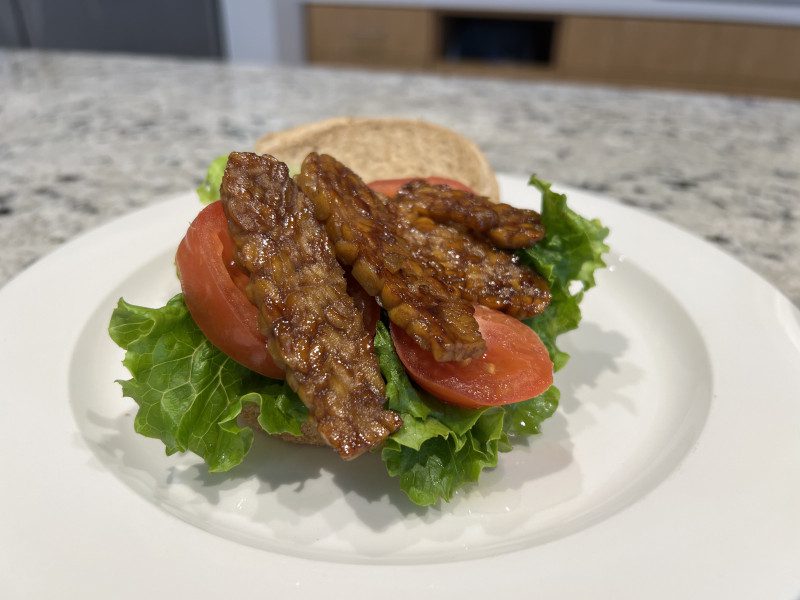
Tempeh lettuce tomato (TLT) is an alternative to a BLT. The tempeh is a plant-based protein source and is much firmer than tofu. It can have a bacon-like flavor when marinated in a mixture of low sodium soy sauce, maple syrup and liquid smoke. It can be found in the health foods section or plant-based section in the grocery store.
Tempeh is great for gut health, adding prebiotics into our diets.
Fruit that does more than taste good
Some fruits offer unique benefits beyond vitamins and antioxidants. Golden kiwis, for example, are easier to eat for some patients and provide hydration and digestive support.
Golden kiwis have great fiber found in the skin, and are sweeter than green kiwis, so they’re easier to eat. They also have fantastic vitamin C levels and help keep you hydrated. They can help relieve constipation as well.
A fresh start in the new year
Russell encourages people to view the new year as an opportunity to explore new foods and expand their dietary habits.
“New Year is the perfect time to start thinking about healthy eating, it’s a fresh start. The importance of trying new foods would be to expand your palette. There are so many different flavors and textures out there, as well as so many different health benefits from expanding that palette,” Russell says.
By focusing on whole foods, fiber, antioxidants and nutrient-rich ingredients, Russell emphasizes that small, sustainable changes can make a meaningful difference, especially for those navigating cancer care and recovery.
It’s always important to speak with your oncology team first about dietary decisions.
***Courtesy of OSF HealthCare***