The closure of the Tyson Joslin plant had major impacts on local cattle farmers raising both feeders and fat cattle. For some producers,this led to more bids from different packers further away, says Illinois Beef Association Chaeckoff Director Thad Tharp, changing the midwest economics of finishing cattle.
“At first you think, well, that’s really positive, but naturally, when Tyson isn’t coming and beating on your door and you’ve been delivering everything to Tyson for the last 40 years, somebody else is going to come get that beef,” says Tharp. “So Tyson has bought some cattle in the county, and they’re shipping them to Nebraska and further on, which is crazy in the Midwest. But my dealings in the Pacific Northwest—that’s a more commonplace thing, them taking a longer ride to get where the harvest kill facility is at.”
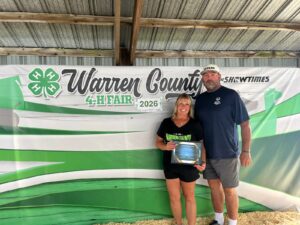
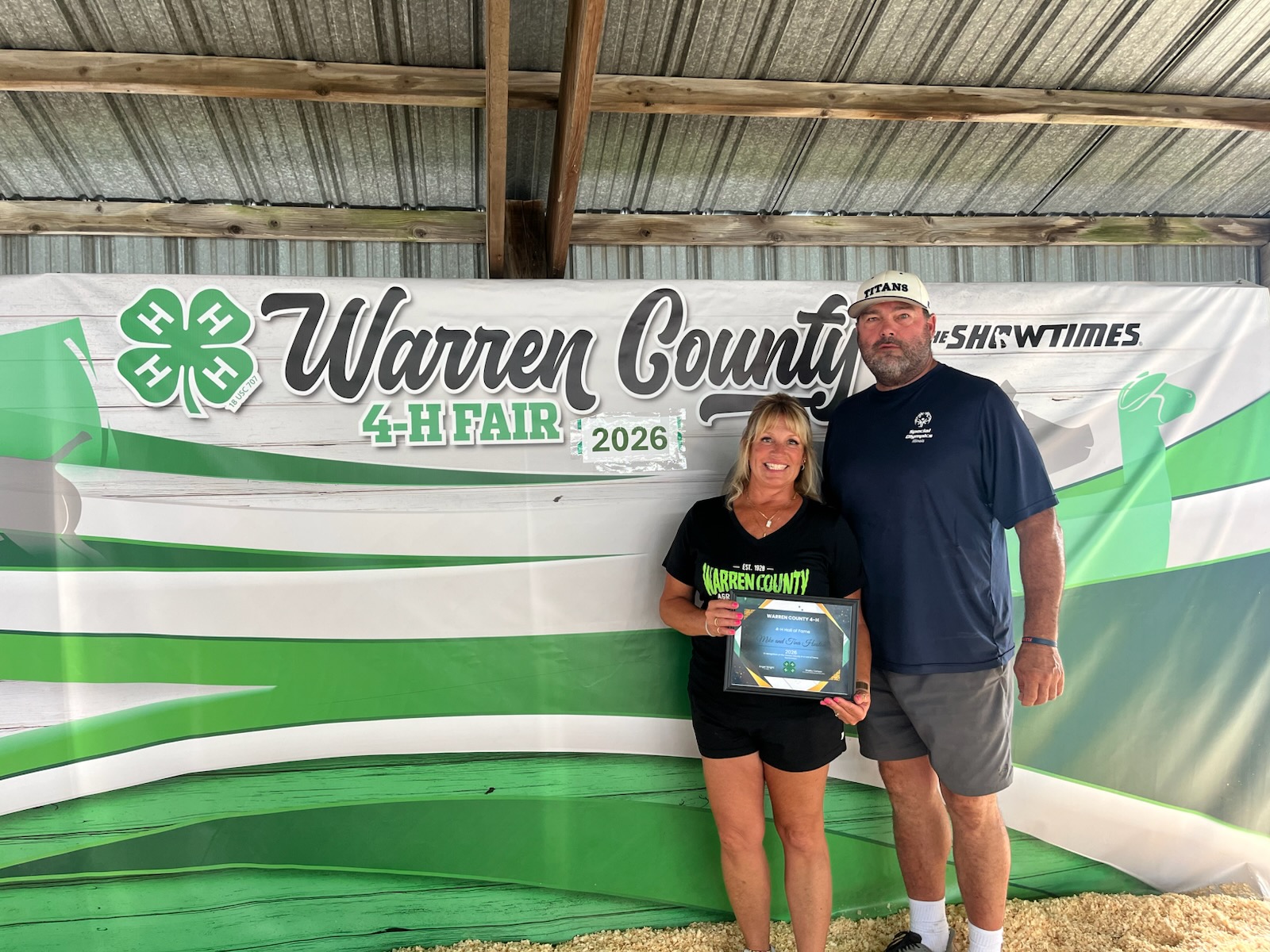
The Joslin plant closing not only had implications on local farmers, it impacted local livestock showmen at the Warren County Prime Beef Festival.
“At the Prime Beef Festival premium auction, you set a floor on those cattle. Historically, they’ve always delivered to Tyson at Joslin, right? So we get a bid from the buyer, and then we go for the premium above there.
“So the board was trading at $2.15. Now, keep in mind, for the last 6, 12, 18 months, beef has been trading at a positive basis, so a $2.15 producer might have been getting paid $2.25, $2.30. You know, the supply and demand, the basis has been positive.
“Our bid at the auction that night from the buyer related to the fact that these cattle were going to Michigan to kill, as opposed to Tyson.”
Availability of shackle space is another big impact from the shutdown. Tharp noted there are many larger family operations that have fed directly to the Tyson plant for years. Over the last three to five years, some have invested millions of dollars in expanding their feeding operations, based on the 40-year history of easy delivery to the plant and the favorable basis associated with feeding into that location.