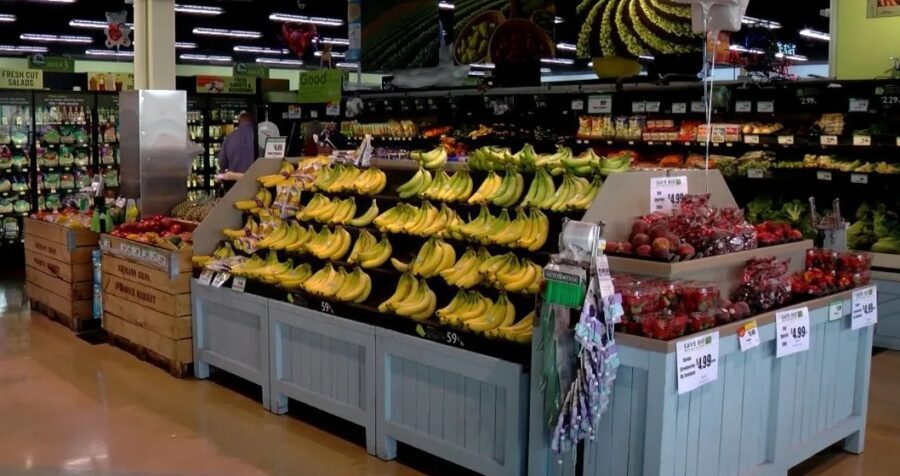
The growth of big-box stores and rising operating costs continue to put pressure on small-town businesses that play vital roles in local economies.
“Communities that used to have a grocery store — the thing that happened to almost all of them is that when the grocery store closed, their population loss accelerated.”
John Shadowens is a University of Illinois Extension Community and Economic Development Educator who focuses on rural food deserts.
“People move to where the amenities are,” said Shadowens. “If you can’t get food to feed your family, if you have transportation issues, if you can’t easily drive 15, 20, 25 miles to get groceries, it becomes enough of a hardship that your family is going to struggle.”
Small-town grocers face growing challenges as larger grocery chains continue to expand and adapt to changing shopping habits by offering new forms of convenience for customers.
“This aggressive competition from the big stores being able to deliver to your front porch now,” said Shadowens. “Grocery stores were doing that long before the big stores were ever doing it, but now they can’t afford as many employees because they’re paying twice the wages as they were just six years ago, and so now the convenience factor kicks in.”
For small towns, keeping a grocery store open means more than keeping a business alive. It can mean preserving access to food, local jobs and a vital part of the community.