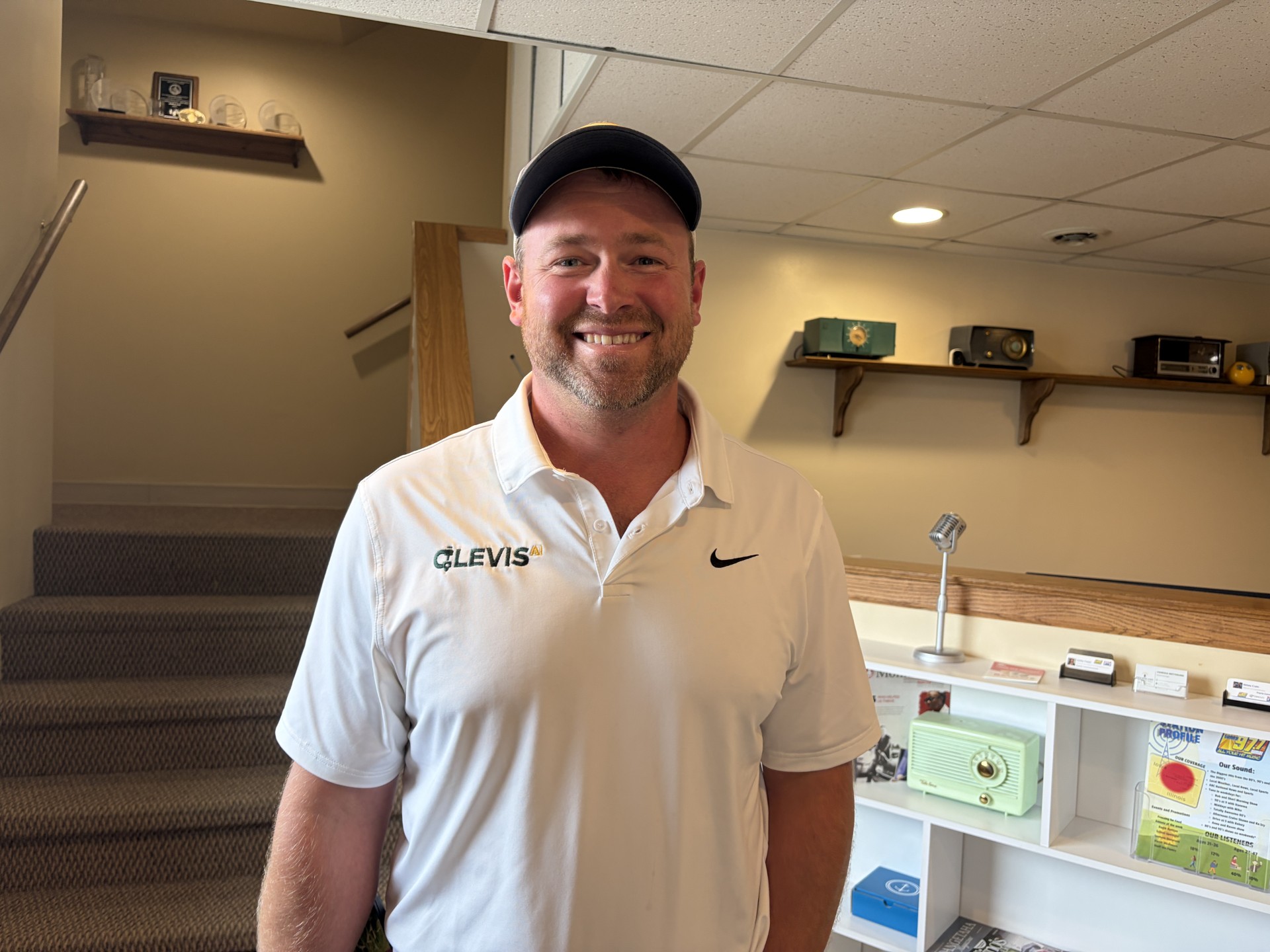
The future of a family farm is shaped by the conversations, decisions, and planning made long before ownership changes hands. Succession and estate planning play an important role in shaping what comes next; however, keeping a farm in operation may not always be a matter of passing it down to the next generation, reports Annie Hadden, Illinois Livestock Development Group Director of Livestock Development:
“It’s finding the right team for each farm. An attorney is great. A financial advisor is great. Looking at life insurance policies and how you can utilize some of those non-farm assets to help the non-farm heir. It is not a finish line, and it is not a short process,” states Hadden.
“If you think you would like to retire in two years, you better start now because this is a lengthy process. Not every farm has an heir. How we can step into that role and play a match making service between a young local producer or somebody that farmer may not even know that could be interested in taking over their farm,” Hadden adds.
Starting the conversation early and planning ahead allows farmers to remain involved in shaping the future of their operation, guiding the transition, and determining how their life’s work will continue.