August 26, 2026 By Cyndi Young-puyear Filed Under: AgriNews Column, Two Cents
There are times when it seems like agriculture just can’t catch a break.
This is one of those times.
Parts of the Corn Belt have been too wet, with some acreage destroyed by flooding, while other areas are dealing with drought and heat stress. The 2026 growing season has been another reminder that there is no such thing as a “normal” year anymore.
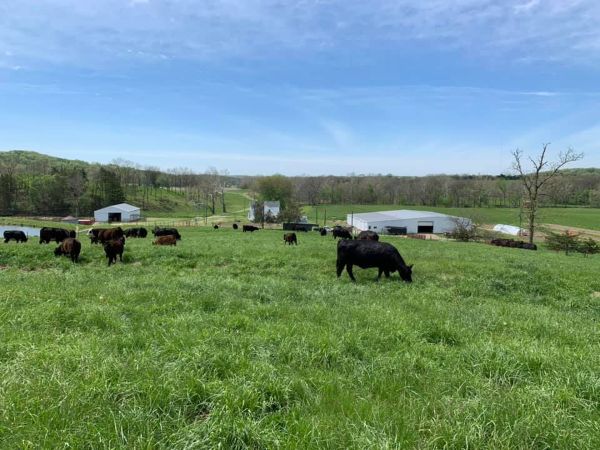
Our farm received heavy rain and flooding in May, June, July, and August. We have gullies where we’ve never had them before; debris we have yet to remove scattered across acres of bottom hay fields that couldn’t be harvested and are now growing a tremendous Johnson grass crop. Fences are down – or simply gone.
You get the picture. Many of you have been there before and probably will be again.
Then there’s the cattle industry.
On August 13, Tyson announced the immediate closure of its Joslin, Illinois, beef plant, putting more than 2,500 people out of work. Thousands of cattle committed to that facility suddenly had nowhere to go, creating a ripple effect that reaches far beyond the packing plant.
Then came reports that another of the four major packers was suspending some cattle-buying contracts in the countryside.
These aren’t just corporate decisions on a spreadsheet. They affect employees, communities, cattle feeders, and producers who now have fewer places to sell cattle.
And then, on August 21, President Trump announced he is suspending import tariff quotas on ground beef for three months, opening the door for more beef from South America. The president says the move could reduce the price of beef by 25 percent below current market prices.
With beef prices at record levels and the U.S. cattle herd at its lowest level in 75 years, the administration says it wants to temporarily allow up to 300,000 metric tons of additional ground beef imports without higher tariffs. The administration says the goal is to bring down grocery prices, with imported beef being sold at a significant discount.
It’s just another slap in the face to families who spent years building their herds, paying higher costs, and taking enormous risks, only to watch the market react negatively when the government says it wants to bring in more imported beef.
These moves may improve the profitability of the packing industry. They may or may not translate into a 25 percent reduction in what consumers pay at the grocery store. What they certainly do is add another layer of uncertainty for the people raising the cattle.
Weather. Input costs. Interest rates. Trade uncertainty. Labor. Processing capacity. Consumer prices. Global competition. Animal disease. Government policy. It seems like farmers and ranchers are expected to absorb the consequences of a whole lot of problems they didn’t create.
Farmers and ranchers understand risk. They live with it every day. They know markets go up and down. They know drought and floods happen. They know you can plant a crop, but Mother Nature decides what you’re going to harvest.
Farmers and ranchers have always adapted. It’s one of the reasons we’re still here. But there’s a big difference between adapting and continually being asked to absorb another blow. And right now, it feels like agriculture is getting hit from every direction. I’m beginning to wonder how many punches we are expected to take before somebody remembers that the people producing our food need a fighting chance, too.
When I write about a problem I try to offer a solution, find a reason for optimism or at least point toward some light at the end of the tunnel.
Today, I’m struggling to find it.
***Courtesy of https://www.brownfieldagnews.com/***