

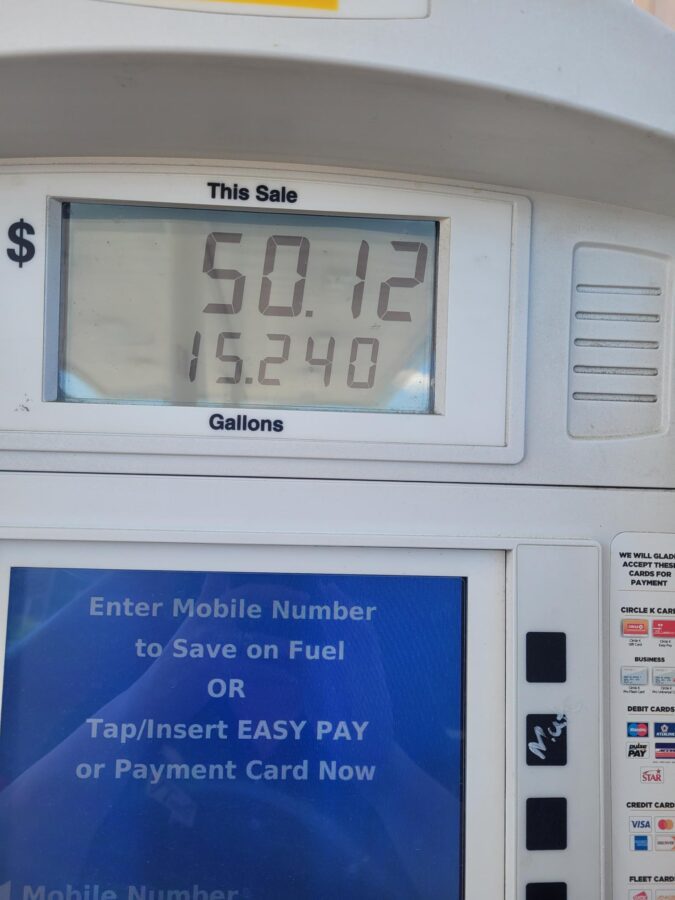
The higher price of fuel and fertilizers may persist into the fall. This will cause serious issues for row crop farmers already expecting a fourth year of losses prior to the start of the war with Iran. Gary Schnitkey from the University of Illinois has been using a model to project future anhydrous ammonia prices for a few years and today, he says, it is providing no relief.
“We think this is going to persist into the into the fall, but we can see particularly the nitrogen sides going up. What’s going to be interesting is to see what happens to sulfuric acid. Potash may be a little bit sheltered from these increases. Urea is not. Urea is a particularly one which is imported from the Middle East and that has been our largest increase. And diesel fuel has been going up which is likely to have some impact particularly on fall. Biodiesel has been going up and again a comparison all the anhydrous ammonia prices have been going up and you can see that those increases have been large. Diesel and biodiesel as well. We’ll talk more and more about this particularly as we’re looking at fall decision making.”
Schnitkey made his comments during a farmdoc webinar yesterday (Tuesday April 7). His anhydrous ammonia model is conservatively projecting an $860 per ton price this fall. It could be much higher.
USDA’s Agricultural Market Service showed the price of anhydrous across the state of Illinois averaged nearly $1100 a ton as of April 3.
***Courtesy of Gary Schnitkey, Agricultural Economist – University of Illinois***