
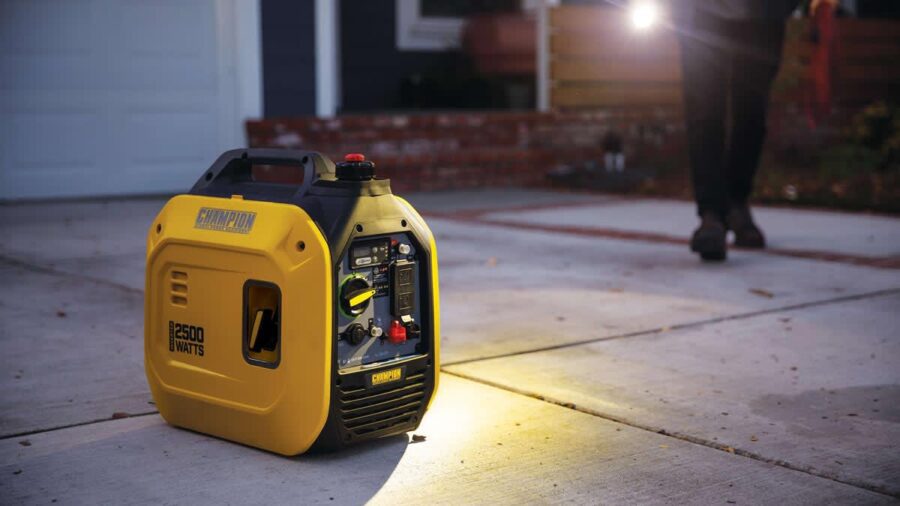
The City of Monmouth is reminding all residents that connecting a portable generator directly to a home’s electrical wiring or panel, a practice known as “backfeeding” creates a life-threatening hazard for utility line workers and can destroy equipment in your home.
Backfeeding sends electricity from your generator back through your electrical panel and out onto the utility power lines. Line crews working on what they believe are de-energized lines can be electrocuted. Backfeeding generators onto utility lines has happened in multiple documented cases in Monmouth. Power can also flow to neighboring homes on the same transformer, putting others at risk. When utility power returns, it can overload and destroy your generator, damage your home’s wiring, and fry appliances and electronics.
Tommie Bugett, Ameren, Director of Safety:
“We understand that power outages can be frustrating, and generators can provide an important source of backup power during an outage,” said Tommie Bugett, director of Safety for Ameren. “However, it is critical that generators are installed and operated properly. If electricity from a generator flows back onto utility lines, it can create a serious safety hazard for lineworkers who are working to restore service and can put the public at risk.
“Improperly connected generators can also delay restoration efforts. If crews detect backfeed on a line, they may need to stop work until the source is identified and the hazard is eliminated. Customers are responsible for ensuring their generator does not backfeed electricity into utility lines during an outage.”
Serious Risks of Backfeeding
- Electrocution of linemen and first responders who assume lines are dead.
- Electrocution risk to neighbors served by the same utility transformer.
- Destruction of your generator when utility power returns and conflicts with generator output.
- Damage to home wiring, circuit breakers, and connected appliances from voltage spikes or overloads.
- Increased chance of electrical fires due to bypassed safety devices and improper connections.
- Code violations that can result in fines, insurance claim denials, or liability if someone is injured.
Do It Right: Safe Generator Connection Methods
The only safe way to power circuits in your home from a generator is with an approved transfer switch or interlock kit installed by a licensed electrician. This physically prevents your generator and the utility grid from being connected at the same time.
For smaller needs or temporary use:
- Plug essential appliances (refrigerator, lights, sump pump, medical equipment) directly into the
generator using heavy-duty, outdoor-rated extension cords rated for the amperage. - Never use a “suicide cord” (double male-ended plug) or any homemade adapter to backfeed
your panel. - Calculate your actual wattage needs as most portable generators cannot safely run an entire
house.
True preparedness means taking full responsibility for your setup. If you are not confident in electrical work, hire a licensed, insured electrician to install the correct equipment. Cutting corners to save money or time can cost lives, including your own or a neighbor’s.
Additional Critical Generator Safety Rules
- Never run a generator indoors, in a garage, or near windows/doors carbon monoxide kills silently and quickly.
- Place the generator on a dry, level surface at least 20 feet from any building openings.
- Use GFCI-protected outlets or cords, especially in wet conditions.
- Store fuel in approved containers outside living areas and away from ignition sources.
- Test your setup before an actual outage. Know your loads and practice safe startup/shutdown procedures.
- Never refuel while it is running and use extreme caution when refueling a hot engine.
The City of Monmouth encourages residents to prepare responsibly. Stock basic supplies, have a family communication plan, and if you invest in a generator, install it correctly. Self-reliance includes protecting your community by doing things the right way.
***Courtesy of the City of Monmouth***