The McDonough County Health Department (MCHD) celebrates SepticSmart Week September 16-20, 2024. This U.S. Environmental Protection Agency’s (EPA) SepticSmart initiative is a nationwide public education effort to inform homeowners about the importance of properly maintaining their septic systems.
EPA’s SepticSmart initiative aims to inform homeowners living on properties serviced by septic systems on the importance of properly maintaining their septic system and provides valuable resources to help homeowners make important decisions regarding their wastewater management needs.
Common in rural areas without centralized sewer systems, septic systems are underground wastewater
treatment structures that use a combination of nature and time-tested technology to treat wastewater from household plumbing produced by bathrooms, kitchen drains, and laundry. A foul odor isn’t always the first sign of a malfunctioning septic system. Call a septic professional if you notice any of the following: wastewater backing up into household drains, bright green, spongy grass on the drainfield, even during dry weather, or pooling water or muddy soil around your septic system or in your basement.
Household wastewater is loaded with disease-causing bacteria and viruses, as well as high levels of nitrogen and phosphorus. If a septic system is well-maintained and working properly, it will remove most of these pollutants. Insufficiently treated sewage from septic systems can cause groundwater contamination, which can spread disease in humans and animals. Improperly treated sewage also poses the risk of contaminating nearby surface waters, significantly increasing the chance of swimmers contracting a variety of infectious diseases, from eye and ear infections to acute gastrointestinal illness and hepatitis.
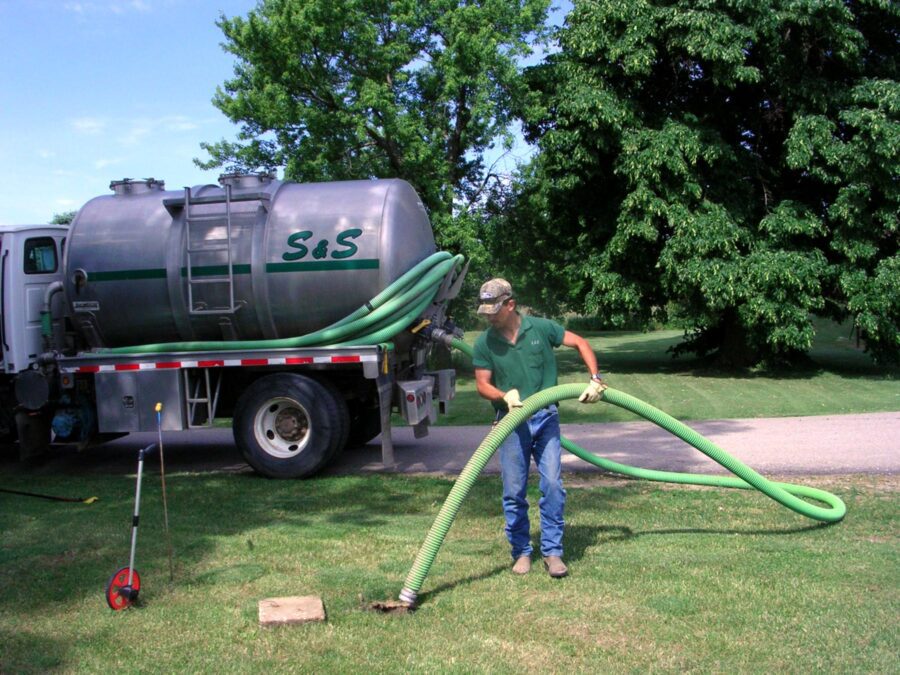
The average household septic system should be inspected at least every 3 years by a septic service
professional. Household septic tanks are typically pumped every 3 to 5 years. The four major factors that
influence the frequency of septic pumping are: household size, total wastewater generated, volume of solids in wastewater, and septic tank size. Alternative systems with electrical float switches, pumps, or mechanical components need to be inspected more often. A service contract is important since alternative systems have mechanized parts.
MCHD permits and inspects the installation of all septic systems. If you are replacing an old septic system or building a new home which will be served by a septic system, please contact the Environmental Health
Division of MCHD at (309) 837-9951 ext. 2000 for more information.
***Courtesy of the McDonough County Health Department***